The dawn breaks and the kitchen is entirely still. The only sound is the low, steady hum of the brass boiler settling into its final temperature. You weigh exactly eighteen grams of a naturally processed Ethiopian bean, listening to the burrs crush the brittle matter. You distribute the grounds with absolute care, ensuring a perfectly level bed. The portafilter locks into the group head with a satisfying, heavy metallic thud. You flip the switch, expecting a slow, honey-like drip to paint the bottom of your cup.
Instead, the pump groans with an aggressive rattle. A violent jet of blonde liquid shoots out, splashing across the porcelain. The espresso tastes sharp, hollow, and aggressively sour. The ritual turns into immediate frustration, despite doing everything correctly by the book. You tamped perfectly, you timed the shot, and yet the result feels like a betrayal of the effort you just invested.
The culprit is rarely your technique or the freshness of your coffee. It is the sticker proudly displayed on the side of the box your machine came in: ’15 Bars of Maximum Pressure!’ This number is celebrated as a feature, a guarantee of commercial strength to unsuspecting buyers standing in a department store aisle.
In reality, this extreme force is entirely working against you. Pushing water at that intensity acts like aiming a firehose at a delicate sandcastle. The brute force ruins delicate flavors, digging microscopic trenches through the grounds and leaving the absolute best parts of the bean entirely untouched.
The Physics of Resistance
Making espresso is an intimate negotiation between water and density. You want the heated water to saturate the grounds evenly, melting the heavy oils and natural sugars before making its way through the metal basket. It is a process that requires firmness, but never violence. It requires enough weight to push through the resistance, but enough restraint to let the water spend time with the coffee.
When a consumer machine pushes fifteen bars of pressure, the water behaves like a hammer. It seeks the path of least resistance immediately, blasting a single channel through the puck. All the water rushes through that one tiny fracture in a matter of seconds, over-extracting bitter, astringent compounds from that small area while leaving the rest of the coffee bed completely dry and unextracted.
The standard for professional cafes is, and always has been, nine bars of pressure. This specific mechanical threshold provides enough push to extract the dense oils without compromising the structural integrity of the tamped coffee bed. It allows the extraction to drip like warm syrup rather than spraying like a punctured garden hose.
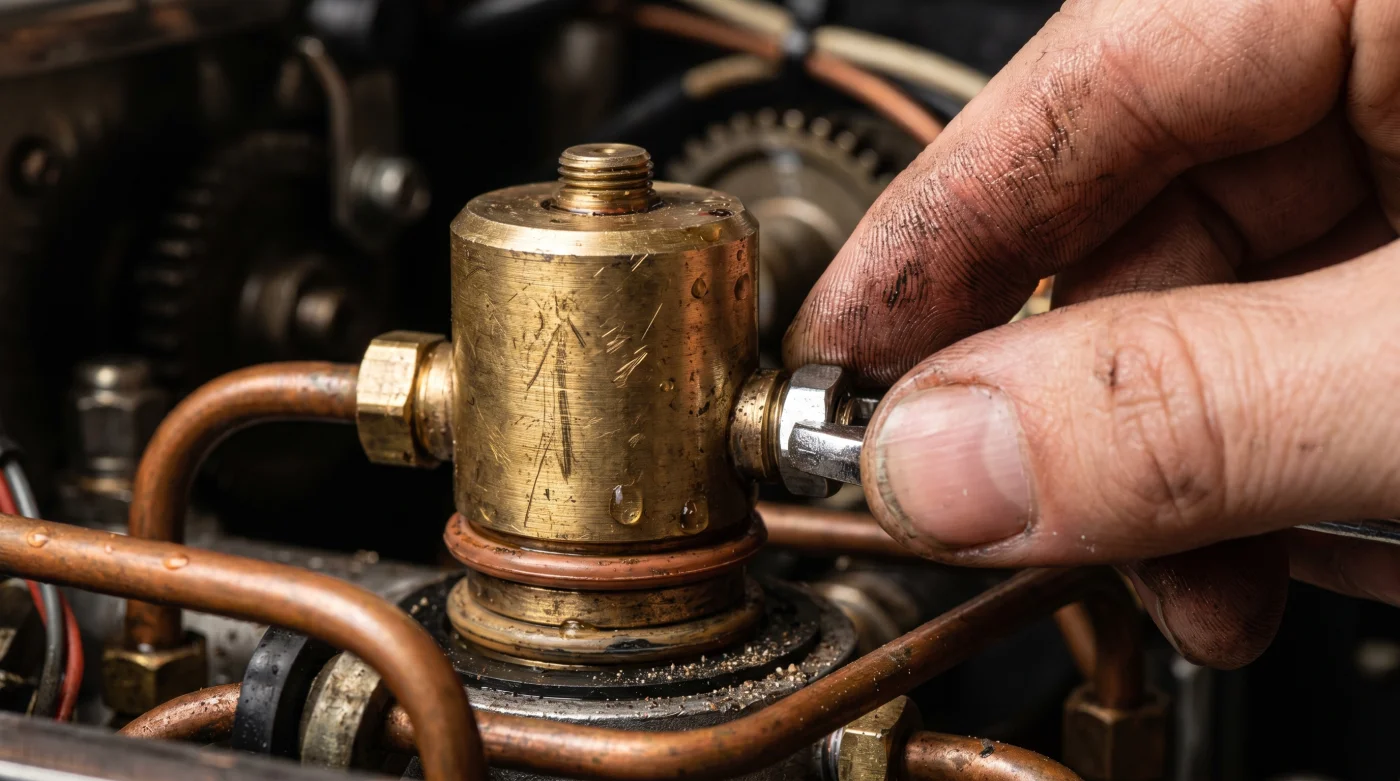
Marcus, a forty-two-year-old former diesel mechanic turned specialty roaster in Portland, views consumer espresso appliances with a mix of affection and pity. ‘They build these beautiful domestic machines,’ he notes, ‘and then crank the internal valve so high just to print a bigger number on the box.’ Every time he buys a new machine for his tasting lab, the very first thing he does is grab a screwdriver, open the metal casing, and adjust the brass spring back down to nine bars. He considers this brief mechanical surgery the act of restoring the factory mistake and finally giving the machine its actual voice.
Pressure Dynamics for Your Bean Choice
Lowering your machine’s pressure does not just fix channeling; it completely shifts how you approach different types of coffee. Once the pressure is regulated, you begin to tune your extraction to the specific biology of the roast rather than fighting the machine.
For the modern enthusiast brewing light roasts, density is your main hurdle. Lightly roasted beans are hard and stubbornly hold onto their acidic fruit notes. A steady nine bars provides a firm, even blanket of water across the bed, extracting the heaviest, sweetest syrups without shattering the puck under stress.
For the traditionalist who prefers the comforting, chocolatey depth of a dark roast, beans are physically more brittle and porous. Because they have spent more time in the roaster, they dissolve rapidly and can turn ashy if agitated too aggressively by the water pump.
Many veteran home baristas will actually tune their machines down even further to eight or seven bars specifically for dark roasts. This incredibly gentle flow prevents the immediate washout of harsh compounds, taming the bitter roasted edges into a smooth, velvety finish that coats the palate.
Adjusting the Over-Pressure Valve
Modifying your machine sounds intimidating, but it is a surprisingly grounded, mechanical adjustment. You are simply telling a small metal spring to relax. Approach this on a quiet afternoon with patience, good lighting, and a clear workspace on your kitchen counter.
You will need a Philips screwdriver, a small adjustable wrench, a blind portafilter basket, and a portafilter pressure gauge if your machine lacks a built-in manometer. Finding the over-pressure valve, or OPV, is simply a matter of removing the top plate and finding the mechanical sweet spot right next to the vibrating water pump.
Keep your movements deliberate and mindful as you work through the physical logic of the machine:
- Unplug the machine entirely and let the internal boiler cool completely to room temperature.
- Remove the top casing to expose the internal water lines and the brass OPV assembly attached to the pump.
- Attach your portafilter with the blind basket inserted, plug the machine back in, and turn the pump on to read the current maximum pressure.
- Using your wrench, slowly turn the OPV adjustment screw counter-clockwise to relieve the tension on the spring.
- Test the pressure against the blind basket repeatedly until the gauge rests happily and consistently at nine bars.
For your tactical toolkit, budget about twenty minutes for this entire process. While the physical turning of the wrench takes only seconds, setting the exact extraction variables requires a few test runs. Always prioritize safety, keeping your hands clear of electrical contacts and hot components while the machine is actively plugged in for pressure testing.
Owning the Mechanics of Your Morning
There is a profound shift that happens when you stop accepting a consumer product exactly as it was handed to you. Modifying that valve connects you to the physical reality of your coffee. It strips away the marketing noise and leaves you with the pure mechanics of water, heat, and pressure.
You are no longer just pressing a button and hoping for the best outcome. You have aligned the physics of the machine with the organic reality of the agriculture in your cup. It brings a quiet pride of daily mastery to those early hours of the day, transforming a frustrating gamble into a reliable, beautiful routine.
The difference between a frantic, spraying mess and a slow, syrupy extraction is usually just a single turn of a brass screw.
| Key Point | Detail | Added Value for the Reader |
|---|---|---|
| 15 Bar Factory Setting | Excessive pump force meant entirely for retail marketing appeal. | None. This setting causes puck channeling, sour shots, and daily frustration. |
| 9 Bar Adjustment | The industry standard for steady, restrained water flow through coffee. | Creates even extraction, sweet flavors, and thick crema without channeling. |
| OPV Mechanism | The internal spring valve regulating how much pressure hits the grounds. | Gives you direct mechanical control over your extraction variables. |
Why do manufacturers set machines to 15 bars? Consumer psychology dictates that bigger numbers equate to better performance, so manufacturers use high-pressure pumps as a marketing gimmick to sell machines.
Will adjusting the OPV void my warranty? On many machines, opening the casing can void the manufacturer warranty. It is a choice between guaranteed factory support and actually brewing good coffee.
What if my machine does not have an adjustable OPV? Some entry-level machines lack an adjustable brass valve. In these cases, you can sometimes replace the internal spring with a softer one purchased from a parts supplier.
How do I test pressure without a built-in gauge? You can purchase a portafilter pressure gauge that screws onto the spout of your portafilter. When used with a blind basket, it gives a perfectly accurate reading at the group head.
Does a 9 bar extraction take longer? No, your extraction time should still aim for roughly twenty-five to thirty seconds. You may actually need to grind slightly finer to maintain that time once the extreme pressure is reduced.